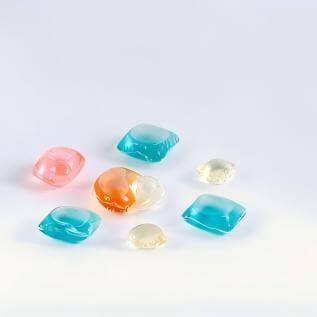
Detergent PVA Water Soluble Film
ANHUI LIWEI CHEMICAL CO.,LIMITED
[Introduction]
When the water-soluble film comes into contact with water, it dissolves and releases the active ingredients inside, such as laundry detergent and dish soap. The design of the water-soluble film ensures that the liquid components in the laundry pods are completely released during the washing process, without polluting the environment.
Detergent Packaging Polyvinyl Alcohol (PVA) Water-soluble Film
Embrace the future of eco-friendly cleaning and packaging with our innovative polyvinyl alcohol (PVA) water-soluble film—a marvel of modern materials science designed to transform your everyday experiences into effortless, eco-friendly actions. Imagine the convenience of pre-packaged solutions, coupled with the sense of accomplishment you feel while contributing to environmental protection.
Our PVA film is made from a biodegradable, non-toxic synthetic polymer and is carefully designed to dissolve completely in water, leaving no harmful residues. This property sets it apart from traditional plastics, offering unparalleled environmental benefits while providing exceptional practicality. This versatile film is ideal for packaging laundry pods, agricultural products, and industrial chemicals, prioritizing the safety of handling potent substances, ensuring accurate metering, and significantly reducing plastic pollution.
This water-soluble film represents a leap forward in sustainable living, a culmination of innovation that allows you to enjoy a clean home without harming the planet. Its rapid dissolution—and temperature-adjustable formula—ensures a seamless transition from packaging to solution, making cleaning easy, convenient, and environmentally friendly. From busy homes in the US and Europe to bustling markets in Japan and China, this amazing film is setting a new benchmark for eco-friendly packaging around the world and is about to completely change your perception of cleanliness.
Production Process of Water-Soluble Films
The production of water-soluble films, especially polyvinyl alcohol (PVA) films, requires several precise steps to ensure their quality and performance. In raw material production, PVA is mixed with water and other materials until a homogeneous solution is formed. This solution is then coated onto heated rollers or a flat surface, allowing the water to evaporate, ultimately leaving only a thin layer of PVA film.
After film formation, a curing process is required to improve its tensile strength and flexibility. Then, depending on the desired thickness and shape requirements, the film is carefully rolled or cut into sheets. Quality control throughout the production process is crucial to ensure the film maintains good water solubility. Through these processes, water-soluble PVA films ultimately retain their biodegradable properties.
Key Characteristics of Water-Soluble Films
Water Solubility and Biodegradability: Completely soluble in water, producing no toxic byproducts, meeting stringent environmental standards.
Environmental Awareness: Reduces plastic waste by replacing single-use plastic products, supporting circular economy goals.
Versatile Applications: Suitable for laundry pods, pesticide/fertilizer packaging, industrial chemical containers, and even reusable water-soluble bags.
Safe and Easy to Use: Pre-measured packaging ensures accurate product dosage and minimizes direct contact with hazardous materials.
Temperature-Adaptive Dissolution: Dissolves faster in hot water while remaining fully degradable in any aquatic environment.
How it Works
Encapsulation: Powders, liquids, or gels are sealed within a film to form pre-packaged capsules or pouches.
Usage: Place the entire capsule directly into water (e.g., washing machine drum, agricultural spray can).
Dissolve and Release: The film dissolves rapidly, releasing the encapsulated contents for immediate use.
Target Applications
Household: Laundry pods, fabric softener pouches.
Agriculture: Water-soluble packaging bags for fertilizers, pesticides, and herbicides (reduces mixing errors and chemical exposure).
Industrial Use: Industrial chemical packaging, release films, and component cleaning bags.